Culture
Halloween Psychology: Why People Love Halloween
The science of masks, adrenaline, nostalgia, and belonging — why one night of make-believe feels this good.
By JJ Walker · Updated July 2026
Where does Halloween rank in popularity among commercial holidays?
Near the top, and climbing. Americans spent a record $13.1 billion on Halloween in 2025, up from $11.6 billion the year before, and 73% of Americans now celebrate it, according to the National Retail Federation. That puts Halloween in the same commercial weight class as Christmas and Valentine’s Day — except this one runs on play, fear, and identity instead of obligation. Kids get the candy. Adults get the more interesting half of the holiday.
What is the history of Halloween?
Halloween’s origins are deeply rooted in ancient traditions and beliefs. Stemming from the Celtic festival of Samhain, it was believed that on this day the boundary between the living and the dead blurred. People would light bonfires and wear costumes to ward off wandering ghosts. Over time, with the influence of Roman and Christian traditions, Halloween evolved into the holiday we know today, but its psychological roots in confronting death and the supernatural remain.
Why Do People Like Being Scared?
There’s a peculiar thrill many of us get from being scared, but have you ever wondered why? Scientifically, when we’re frightened, our body releases adrenaline, triggering the fight-or-flight response. This rush can be exhilarating. Halloween, with its haunted houses and eerie tales, offers a controlled environment where we can safely experience this thrill. It’s fear without any real danger, making it all the more enjoyable.
Embracing the Dark Side
Every individual has a shadow side, a part of themselves they might not confront daily. Halloween offers a unique opportunity to embrace this darkness without judgment. The holiday encourages exploration of taboo topics, dark fantasies, and even the macabre. Dressing up becomes more than just fun; it’s a cathartic release, allowing individuals to take on alternate personas and perhaps understand themselves a bit better.
Nostalgia and Tradition
For many, Halloween is a bridge to the past. Childhood memories of trick-or-treating, carving pumpkins, and watching horror movies play a significant role in our continued love for the holiday. These traditions, passed down generations, create a sense of belonging and continuity. Reliving those moments — and passing them down — is a big part of why the holiday keeps its grip.
Community and Social Bonds
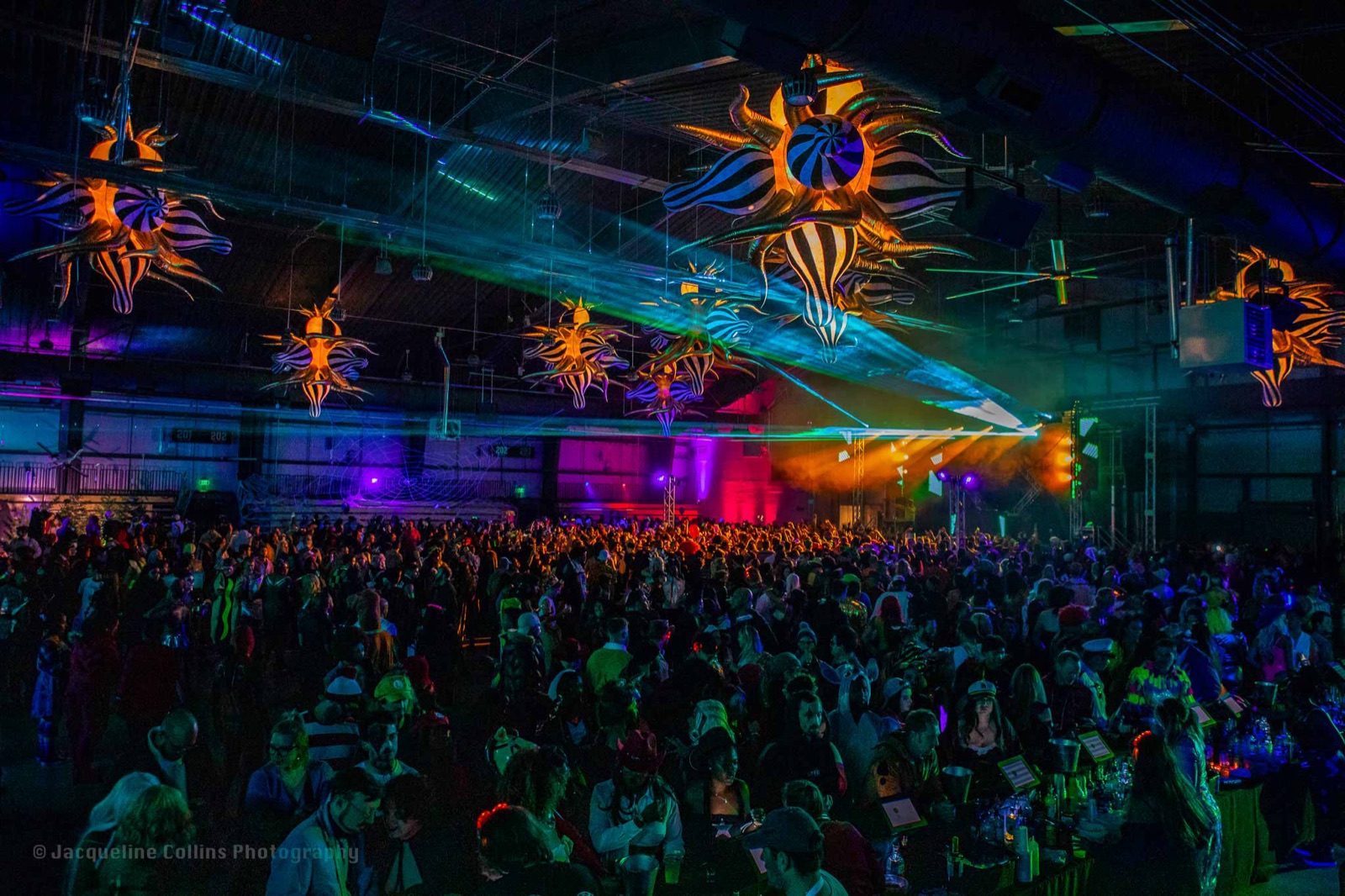
Halloween is a communal event before it is anything else. When 73% of the country celebrates the same night, that is not a niche hobby — it is a national ritual, and rituals are how humans build belonging. Group activities and shared experiences strengthen social bonds, from kids going door-to-door to adults at themed parties. That pull toward a shared costumed night is exactly what fills Denver’s biggest Halloween party year after year. Dressing up, being in character, and playing along breaks down social barriers, and the interactions get more genuine, not less.
Creativity and Self-Expression
Halloween is a canvas for the imagination. From designing costumes to decorating homes, it encourages creativity like no other holiday. The costumes, especially, are a medium of self-expression. They can reflect one’s desires, aspirations, fears, or even a sense of humor. It’s also why the Coloween costume contest turns that private creativity into a room full of people daring each other to go bigger. Beyond just fun, this creative process can be therapeutic, allowing individuals to explore and express facets of themselves they might not usually showcase.
I Love Halloween
So no, it’s not just about candy or jump scares. Halloween works because it stacks the things humans actually need: safe fear, identity play, memory, community, and a license to make something. Three out of four Americans celebrate it for a reason. It’s less a holiday than an annual permission slip.
That’s the whole idea behind Coloween. For 19 years it’s given Denver adults one night to drop the everyday self, put on a mask, and be someone else all Halloween night — with a cash-prize costume contest and the biggest 21+ Halloween crowd in the state, all there to do the same thing. The psychology says we need this. Coloween just built the room for it.
Frequently Asked Questions
Why do people love Halloween?+
People love Halloween because it hits several psychological buttons at once. Costumes let you safely try on another identity, scares trigger a controlled adrenaline rush, and shared rituals — parties, trick-or-treating, horror movies — build belonging. It is not fringe, either: 73% of Americans celebrate Halloween, per the National Retail Federation. Nostalgia does the rest, tying the night to childhood memory.
What is the psychology behind Halloween?+
The psychology of Halloween centers on safe fear and identity play. When you are frightened in a controlled setting, your body releases adrenaline and dopamine, producing a thrill without real danger. Costumes let people express a hidden side without judgment, and group rituals strengthen social bonds. Together these explain why confronting the scary and the macabre feels so satisfying rather than distressing.
When and where is Coloween 2026?+
Coloween 2026 is Saturday, October 31, 2026 — Halloween night itself — at Bounce Empire, Lafayette (1380 S Public Rd). It is the 19th annual and Colorado’s biggest 21+ Halloween party, with the Coloween costume contest on stage. Tickets drop in August and the email list buys first.
When do Coloween 2026 tickets go on sale?+
Coloween 2026 tickets drop in August — the email list gets first access before public sale, and ticket tiers and details are announced with the drop. Super Hosts who refer 10 friends earn a free ticket, and Home Base tables are available for groups who want a reserved spot.
The Party
Coloween 2026 · October 31 · Bounce Empire, Lafayette
Colorado's biggest Halloween party is back for its 19th year. Early-bird pricing drops to the list first — get in before the tiers climb.